Winter air is cold and dry outdoors and warm and dry indoors, and the chest feels both. When a cold settles, the nights are the hardest part: lying down, stuffy, unable to get comfortable, waiting for morning.
The chest rub is one of the great household remedies of the last hundred years, and it was built from oils that travelled a long way: eucalyptus from the forests of south-eastern Australia, camphor from the great trees of Japan and Taiwan, peppermint once distilled at Mitcham. Rubbed into the chest at bedtime, they gave generations of people a sense of easier breathing.
The Breathe Salve is that chest rub, made more gently, with a trace of myrtle for freshness and frankincense and lavender to soften the edges.
This is the rub for whenever a cold moves to your chest.
The Plants in the Field
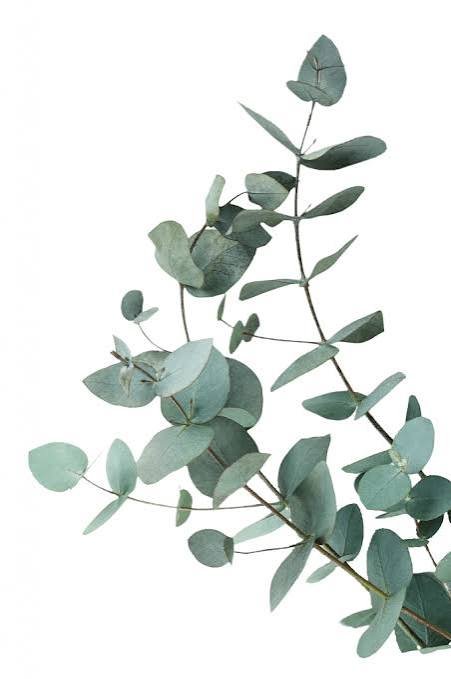
Eucalyptus radiata
Narrow-leaved peppermint gum, the softer eucalyptus
A tall gum of the forests of Victoria and New South Wales. Aboriginal Australians used eucalyptus leaves for fevers and colds long before the first commercial eucalyptus oil was distilled in Victoria in the 1850s. E. radiata gives a softer, sweeter oil than the familiar blue gum.
Mentha × piperita
Peppermint, the cool
The Mitcham mint again, distilled this time for its oil. Menthol acts on the cold receptors in the skin, which is why a peppermint rub feels cool and makes breathing feel easier.
Cinnamomum camphora
White camphor, from a thousand-year-old tree
Camphor trees in Japan grow huge and very old, and some are honoured at shrines. The oil distilled from the wood is separated, and only the white, safest fraction is used here, kept deliberately low. Camphor was a fixture of the Victorian medicine cabinet.
Myrtus communis
Myrtle, the bride’s shrub
A Mediterranean evergreen with glossy leaves and white, starry flowers, sacred to Venus and carried in bridal bouquets. Its leaf oil is clean and fresh, softer than eucalyptus, and myrtle has a long folk history around the Mediterranean for coughs and colds. Here it is used at a very low strength, a trace for freshness.
Boswellia carterii
Frankincense, resin of the Horn of Africa
The bark of a small, gnarled desert tree is cut and the resin seeps out, hardening into pale tears. Burned for thousands of years in temples and churches, its smoke has long been tied to slow, deep breathing.
Lavandula angustifolia
Lavender, the soft close
Rounds the sharper oils so the salve can be breathed in comfortably, close to the face.
Formulator’s Note
I wanted a chest rub I would be happy to use myself: the cool and the clear, without the harshness. The essential oils are kept to about 4% in a light grapeseed base, and the camphor is held low on purpose.
It is for adults only. Camphor and strong eucalyptus are not for young children, and that is exactly why the Little Ones Comfort Balm exists alongside it.
Warm it, breathe in for three counts, massage in wide circles across the chest and upper back, then breathe slowly and deeply for a few minutes.
These notes honour tradition and ecology. Full dosage and safety guidance live in the monographs.
References
Paul, I.M. et al. (2010). Vapor rub, petrolatum, and no treatment for children with nocturnal cough and cold symptoms. Pediatrics, 126(6), 1092-1099.
McKemy, D.D. et al. (2002). Identification of a cold receptor reveals a general role for TRP channels in thermosensation. Nature, 416, 52-58.