IDescription
The old-fashioned chest rub, made gently. Eucalyptus, peppermint and myrtle bring the cool, white camphor sharpens it, and frankincense and lavender soften the edges so it can be breathed in close. It is for a stuffy chest at any time of day: applied to the chest and upper back, then a few minutes breathing slowly and deeply. It is a comfort, and valued as one.
IIComposition
| Plant (part) | % | Actions |
|---|---|---|
| Vitis vinifera (grapeseed oil) | Base | Light carrier |
| Cera alba (beeswax) | Body and texture | |
| Eucalyptus radiata (leaf essential oil) | 2.0% | Cooling; aromatic; traditionally used in chest rubs |
| Mentha × piperita (essential oil) | 0.8% | Cooling (menthol) |
| Lavandula angustifolia (essential oil) | 0.8% | Softening aromatic |
| Boswellia carterii (resin essential oil) | 0.6% | Resinous; settling aromatic |
| Cinnamomum camphora (white camphor) | 0.3% | Penetrating; warming then cooling |
| Myrtus communis (essential oil) | 0.2% | Fresh, clean aromatic; traditionally used for the chest |
IIIThe Plants
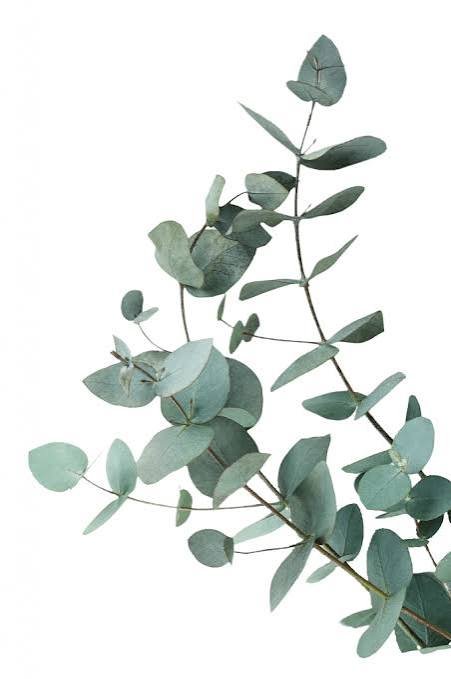
Eucalyptus radiata
Narrow-leaved peppermint gum: the softer eucalyptus
WHERE IT LIVES
A tall gum tree of the forests of south-eastern Australia, with narrow, aromatic leaves.
THE HARVEST
Leaves and twigs are cut and steam-distilled. E. radiata gives a softer, sweeter oil than the more familiar E. globulus.
FOLKLORE & TRADITIONAL USE
Aboriginal Australians used eucalyptus leaves for fevers and colds, crushed, steeped or burned. The first commercial eucalyptus oil was distilled in Victoria in the 1850s, and within decades it was in chest rubs and inhalants across the world.
EVIDENCE NOTE
The one good trial of a chest rub, in 138 children, tested a single branded product and does not support this salve directly. The cool, clear sensation is real and well understood; the copy stays at traditional. Not for use on or near the face of young children.
Mentha × piperita
Peppermint: the cool
WHERE IT LIVES
The water mint and spearmint hybrid of damp English ground, grown for its oil at Mitcham, a few miles from the studio, for over a century.
THE HARVEST
The flowering plant is cut and steam-distilled for an oil rich in menthol.
FOLKLORE & TRADITIONAL USE
Peppermint oil has been rubbed on temples and chests for headaches and colds since it was first distilled in the eighteenth century.
EVIDENCE NOTE
Menthol acts on the skin’s cold receptors, which is why it feels cool and makes breathing feel easier, without changing airflow itself. Here it gives the salve its cool, clean lift.
Cinnamomum camphora
White camphor: the sharp edge
WHERE IT LIVES
A great evergreen of the laurel family native to Japan, Taiwan and southern China, some specimens living for over a thousand years.
THE HARVEST
The wood is steam-distilled and the oil separated into fractions. Only the white fraction is used here; the brown and yellow fractions contain safrole.
FOLKLORE & TRADITIONAL USE
Camphor was a precious trade good along the old Asian sea routes and a fixture of the Victorian medicine cabinet, in moth-balls, chest rubs and smelling salts.
EVIDENCE NOTE
Camphor is neurotoxic if swallowed and dangerous to small children, which is why this salve is adults only, kept low at 0.3%, and should be kept out of reach. Avoid with epilepsy or asthma.
Boswellia carterii
Frankincense: the resinous depth
WHERE IT LIVES
A small, gnarled tree of the dry, rocky hills of Somalia and the Horn of Africa, closely related to the frankincense of Oman.
THE HARVEST
The bark is cut and the milky resin seeps out, hardening into pale tears that are scraped off weeks later and steam-distilled for oil.
FOLKLORE & TRADITIONAL USE
Burned in temples for millennia, carried along the incense roads of Arabia, and among the gifts of the Magi. Its smoke has long been associated with slow, deep breathing in prayer.
EVIDENCE NOTE
Skin and respiratory evidence for the oil is preclinical, and the boswellic acids studied for inflammation are not present in the distilled oil. Here it softens and settles the blend.
Lavandula angustifolia
Lavender: the soft close
WHERE IT LIVES
The fine lavender of the western Mediterranean mountains, grown across England.
THE HARVEST
The flowering spikes are steam-distilled in high summer.
FOLKLORE & TRADITIONAL USE
A household oil for centuries, dabbed on pillows and temples for rest.
EVIDENCE NOTE
Here for softness and scent, rounding the sharper oils so the salve can be breathed comfortably.
How It Works as a Formula
Eucalyptus and peppermint are the cool at the centre, the sensation of open, easy breathing that chest rubs have offered for over a century. White camphor sharpens it, at a deliberately low level.
Frankincense and lavender soften the edges. The salve is warmed in the hands, breathed in for three slow counts, and massaged in wide circles, so that the ritual and the scent work together.
IVDose & Safety
APPLY
Massage a small amount into the chest and upper back, up to three times daily. Not for the face or nostrils, and not for broken skin.
CAUTIONS
Adults only. Not for use in pregnancy or breastfeeding. Do not use with epilepsy or asthma. External use only; keep away from the eyes, nostrils and mucous membranes. Patch test before first use. Contains naturally occurring fragrance allergens, including limonene, linalool and geraniol. Keep out of reach of children: camphor is dangerous if swallowed.
DURATION
Through a cold, as needed. If symptoms worsen or breathing becomes difficult, seek medical advice.
Apothecary’s Summary
A cool, clearing chest rub for the cold months. Five aromatics in a light base, kept gentle and low, for the chest, the upper back and a few minutes of slow breathing.
References
Paul, I.M. et al. (2010). Vapor rub, petrolatum, and no treatment for children with nocturnal cough and cold symptoms. Pediatrics, 126(6), 1092-1099.
McKemy, D.D. et al. (2002). Identification of a cold receptor reveals a general role for TRP channels in thermosensation. Nature, 416, 52-58.
Tisserand, R. and Young, R. (2014). Essential Oil Safety, 2nd edition. Churchill Livingstone.
Review of camphor toxicity in children. PubMed Central PMC4743869.