Cold, dry air outdoors and central heating indoors both draw moisture from the skin, and in winter we spend our days moving between the two. Research on skin and climate shows the skin’s barrier is weaker in low humidity and low temperatures, more easily irritated and slower to settle.
The plants in this balm come from marsh, garden, hedgerow and desert. Centella creeps through the wet paddy edges of tropical Asia; calendula has brightened English cottage gardens for centuries; rosehips are picked from the dog rose in the hedge; jojoba grows in the Sonoran Desert and shea in the West African Sahel. Comfrey grows tall on the damp field edge, and wheatgerm comes from the grain itself. Each has a long history on the skin.
The Tonic Face Balm brings them together: three traditional skin herbs steeped slowly into six nourishing oils and shea, finished with frankincense, palmarosa, cypress, myrtle and may chang.
This is the balm for the morning after a cold, windy walk, and the evening after a day indoors with the heating on.
The Plants in the Field
Centella asiatica
Gotu kola, the marsh herb
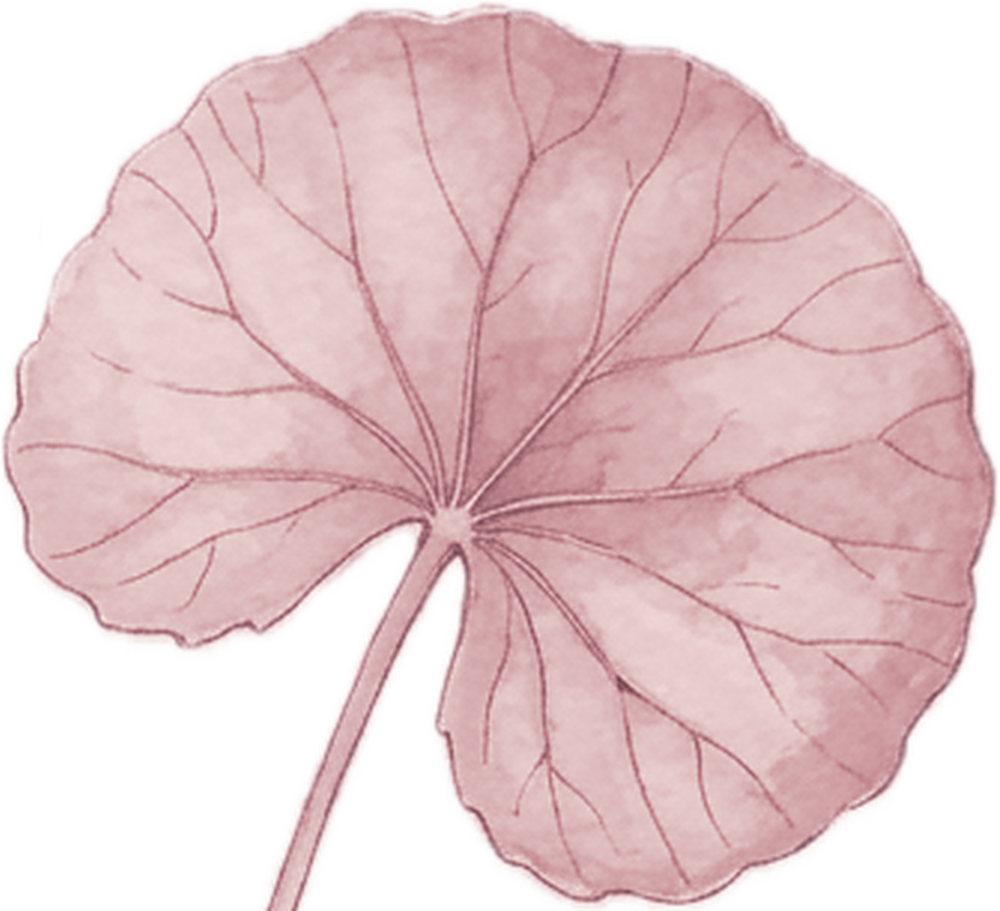
A small, creeping plant with round, scalloped leaves, spreading through wet ground across tropical Asia and Africa. In Sri Lanka it is eaten as a green, and across Ayurvedic and Chinese practice it has long been given for the skin. Its constituent madecassoside is named for Madagascar, where it was studied for wound healing.
Calendula officinalis
Marigold, the country skin remedy
The bright orange flower of the cottage garden, blooming from June until the first frosts. Marigold ointment was a staple of the country medicine chest for chapped hands, grazes and sore skin, and it is the best-established skin herb in the balm.
Symphytum officinale
Comfrey, the knitbone of the field edge
A tall, bristly plant of ditches and riverbanks, hung with drooping bells that bees work all summer. Its country names, knitbone and boneset, come from centuries of leaves bound over sprains and bruises. Here the leaf is steeped gently into the oils with the centella and calendula, for intact skin only.
Rosa canina
Dog rose, the hedgerow hip
The wild rose of English hedges, whose scarlet hips stay on the bare branches into winter. During the Second World War, children across Britain gathered rosehips by the ton for syrup. Today the oil pressed from the seeds is prized for the skin.
The aromatics
Frankincense, cypress, palmarosa, myrtle and may chang
Frankincense resin from the Horn of Africa brings depth; cypress from Mediterranean hillsides and churchyards a clean evergreen note; palmarosa, an Indian grass, a surprising scent of roses. Myrtle, sacred to Venus, is carried in royal wedding bouquets to this day. May chang, from the hills of southern China, gives a bright lemon trace.
Formulator’s Note
The way I apply this balm comes from years of lymphatic drainage work. The skin of the face drains towards the nodes at the jaw and neck, and the movements follow that path: forehead to temples, beside the nose and out along the cheekbones, chin along the jawline and down the sides of the neck. Slowly, with the flat of the fingers.
This year comfrey leaf goes into the balm alongside centella and calendula, and wheatgerm oil, rich in natural vitamin E, keeps the more delicate oils fresh. The aromatics are kept low, at about 1.2%, so it suits winter skin that is already under strain. Press the balm in first, then finish with a mist of aromatic water to tone and soothe.
Three skin herbs, six oils, and two minutes, morning and evening.
These notes honour tradition and ecology. Full dosage and safety guidance live in the monographs.
References
Engebretsen, K.A. et al. (2016). The effect of environmental humidity and temperature on skin barrier function and dermatitis. Journal of the European Academy of Dermatology and Venereology, 30(2), 223-249.
European Medicines Agency, HMPC. Community list entry on Calendula officinalis L., flos.